
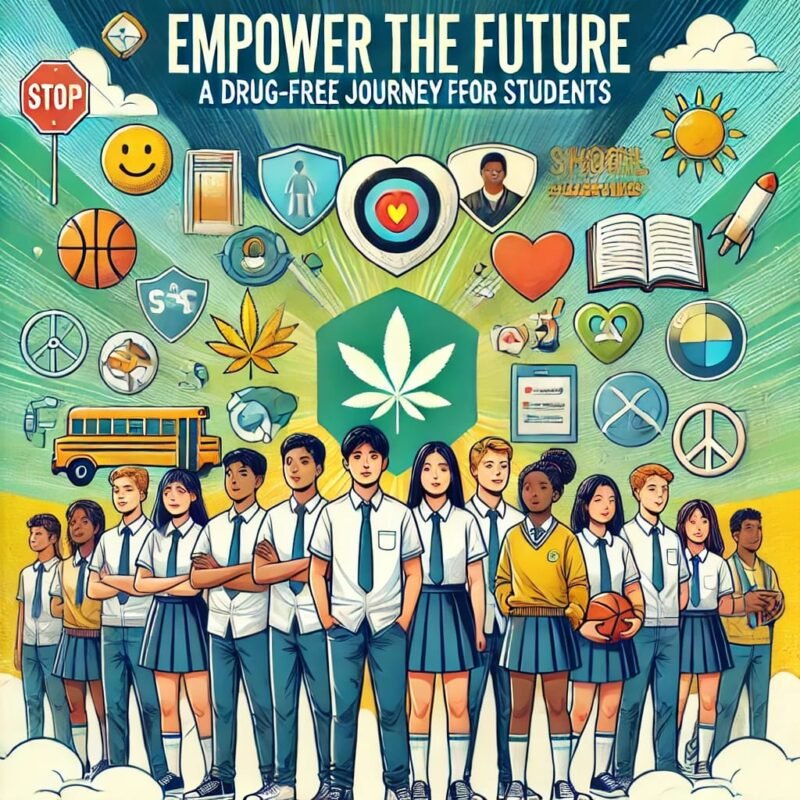
Addiction Awareness Program by Subhashan Foundation
Objective:
To raise awareness about the dangers of addiction among school children and to equip them with the knowledge and skills necessary to resist peer pressure and make healthy choices for their lives. This comprehensive program aims to educate students, educators, and parents about the early signs of addiction, effective preventive measures, and the appropriate steps to seek help if needed. The initiative not only addresses the issue of addiction but also encourages open dialogues within families and schools about the challenges that young individuals face today.
Program Structure:
1. Introduction to Addiction: What is addiction?
We will explore different types of addiction, including substance abuse, gaming, social media, and behavioral addictions, providing a detailed understanding of each. Various forms of addiction can manifest in our daily lives, affecting young individuals in diverse ways.
We will also discuss the significant impact of addiction on mental health, academic performance, personal relationships, and overall well-being. The influence of addiction extends beyond the individual, impacting families, schools, and communities.
“`
2. Identifying the Signs of Addiction:
Early warning signs in students.
Behavioral and physical changes to watch out for.
The role of peers, teachers, and parents in identifying problems early.
3. Preventive Measures:
Building resilience against peer pressure.
Promoting healthy hobbies and interests.
Developing emotional intelligence and stress management skills.
4. The Role of Parents and Teachers:
How to talk to children about addiction.
Creating an open and supportive environment.
Resources available for parents and teachers to support students.
5. Support Systems and Resources:
Counseling and professional help for students.
School programs and support networks.
How students can seek help anonymously.
6. Interactive Sessions:
Workshops with experts: psychologists, addiction counselors, etc.
Role-playing scenarios to handle situations involving peer pressure.
Group discussions and activities to promote self-awareness and teamwork.
7. Community Involvement:
Engaging local organizations to spread awareness.
Collaboration with local authorities for wider outreach.
8. Follow-up and Evaluation:
Regular check-ins with students to assess their progress.
Feedback from students, teachers, and parents to improve the program.